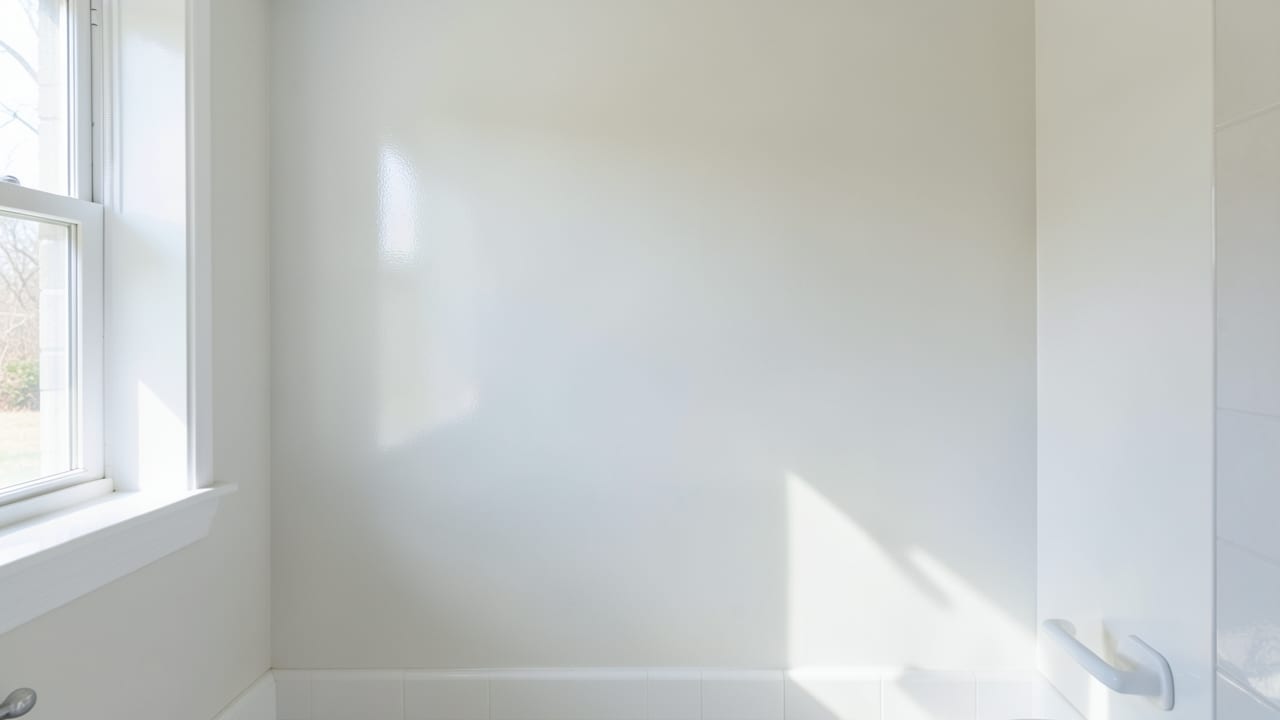
Pipe Leak Mold Removal
Professional removal of mold caused by pipe leaks in homes.
Pipe leak mold removal in Manitou Springs addresses hidden fungal growth caused by water damage behind walls, under floors, or in ceilings. Unlike surface mold, pipe leaks create persistent moisture that fuels deep-rooted growth.
Proper remediation involves fixing leaks, containing spores, and restoring affected areas to prevent recurrence—critical for homes in Colorado’s humid seasons and older properties with aging plumbing.
We also handle School Mold Remediation and Wood Furniture Mold Remediation for Manitou Springs properties.
When to call for pipe leak mold removal
Pipe leaks often hide behind drywall or under flooring, allowing mold to spread unseen until it’s too late. Signs include visible growth covering more than a small patch, recurring mold in the same spot after cleaning, or a musty smell with no visible source.
In Colorado, leaks behind shower walls or under sinks are common culprits, especially in older homes with copper piping.
Hidden growth—such as behind HVAC vents or inside wall cavities—can worsen without containment. A smell that intensifies when the heating or cooling system runs often means spores are circulating through ducts. If mold keeps returning, the moisture source (like a slow leak or condensation) likely wasn’t addressed during cleanup.
Signs You Need Professional Removal
- Mold covers more than 25 contiguous square feet (a common threshold for DIY limits).
- Growth returns within months after cleaning, even after surface treatment.
- A musty odor persists with no visible mold, suggesting hidden moisture or ductwork contamination.
- Visible mold appears in multiple rooms linked by shared HVAC or plumbing lines.
- Water stains or dampness remain after fixing a leak, indicating trapped moisture.
What affects cost and timeline
The size of the affected area and the type of mold influence pricing and duration. Black mold (Stachybotrys) often requires more extensive containment and disposal, increasing costs by 15–25% over standard remediation. Accessibility—such as mold behind appliances or in tight crawl spaces—can also extend the job.
Drying time depends on humidity and the materials involved. Industrial dehumidifiers and air movers may run for days to bring framing or subfloors back to safe moisture levels. Clearance testing, done by an independent lab, adds time but ensures the work meets safety standards.
What to watch for in a remediation plan
Not all remediation plans address the root cause of mold growth. A reputable service will inspect for leaks, repair plumbing issues, and install moisture barriers where needed. Containment—using plastic sheeting and negative-air machines—prevents spores from spreading during removal, but breaches (like open doors) can undo this protection.
Post-remediation, humidity control is key. Rooms prone to dampness, like windowless bathrooms or closets, may need a small fan or dehumidifier to prevent recurrence. Outside the home, grading or downspout issues can reintroduce moisture if left unchecked.
Avoid bids that exclude containment, clearance testing, or moisture-source repairs. Verbal estimates without a written scope can lead to unexpected costs once demolition begins. Always confirm whether the quote covers inspection, lab testing, and follow-up checks.
How pipe leak mold removal works
This process prioritizes containment, removal, and moisture control to prevent regrowth.
- 1Contain the Area
Plastic sheeting and negative-air machines seal off the work zone to trap spores. This step prevents cross-contamination into unaffected rooms during removal.
- 2Remove or Treat Materials
Porous materials (drywall, insulation) saturated with mold are cut out and disposed of. Non-porous surfaces (tile, framing) are scrubbed and treated with antifungal solutions.
- 3Dry and Dehumidify
Industrial equipment reduces moisture in framing and subfloors to safe levels. Drying ensures mold doesn’t regrow on damp materials, even after visible traces are gone.
- 4Test for Clearance
An independent lab collects air or surface samples to confirm spore counts are within normal ranges before containment is removed.
- 5Repair Moisture Sources
Plumbing leaks, condensation issues, or grading problems are fixed to eliminate the conditions that allowed mold to grow in the first place.
Frequently asked questions
Can I clean small mold patches myself, or should I call a professional?
Surface mold covering less than 25 square feet can often be cleaned with detergent and water, but hidden growth—like behind walls or under floors—requires professional tools and containment. If mold keeps returning, the moisture source likely wasn’t fixed.
How long does it take to dry a wall or floor after mold removal?
Drying time varies based on humidity and material thickness. Industrial dehumidifiers may run for several days to bring framing or subfloors to safe moisture levels, as measured by a hygrometer.
Will my insurance cover pipe leak mold removal?
Many homeowners’ policies cover sudden leaks (like burst pipes) but exclude gradual damage or neglect. Check your policy for “mold exclusions” and document leaks or water damage with photos before contacting your insurer.
Do I need to stay out of my home during remediation?
Professionals will advise whether containment affects daily life. Typically, unaffected areas remain accessible, but high-spore zones (like crawl spaces) may require temporary relocation of pets or sensitive individuals.
Where Manitou Springs sits, and what the Census lists nearby
Manitou Springs sits in Colorado, and the closest places listed in the U.S. Census Gazetteer are Cascade-Chipita Park (7.7 miles northwest), Green Mountain Falls (7.8 miles northwest), Colorado Springs (8.2 miles east), Stratmoor (9.4 miles southeast).
Within 25 miles of Manitou Springs the same source lists 23 distinct incorporated places and census-designated places.
Those figures matter for pipe leak mold removal because they are straight-line distances between Census coordinate points: road mileage between Manitou Springs and Cascade-Chipita Park runs longer than the 7.7 miles shown, which is why quotes for the same job differ between towns that look close together on a map.
Source: U.S. Census Bureau Gazetteer.
See Woodland Park, CO for more, or check out the mold remediation work we do around Manitou Springs across the area for our complete lineup.
Ready to get started?
Talk to a local mold remediation pro in Manitou Springs — get a written quote.
Other Mold Remediation Services in Manitou Springs
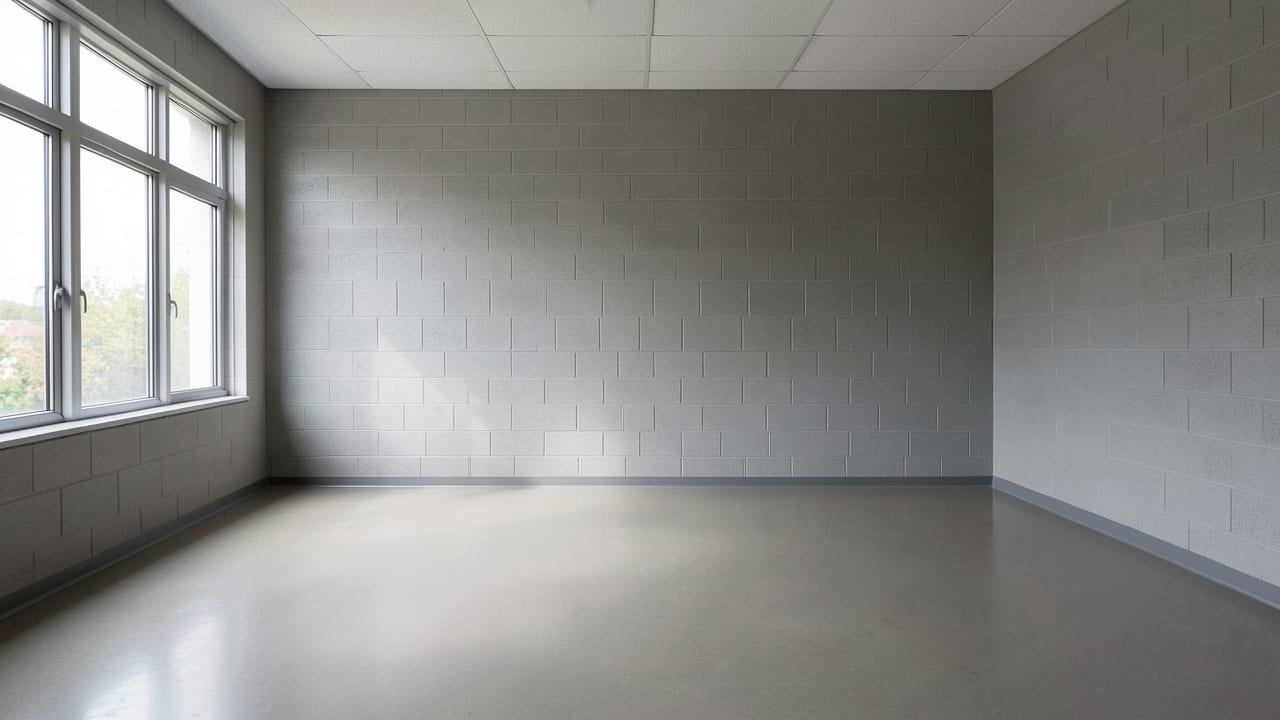
School Mold Remediation in Manitou Springs, CO
Professional mold removal and remediation in schools to ensure a safe, healthy environment.
Learn More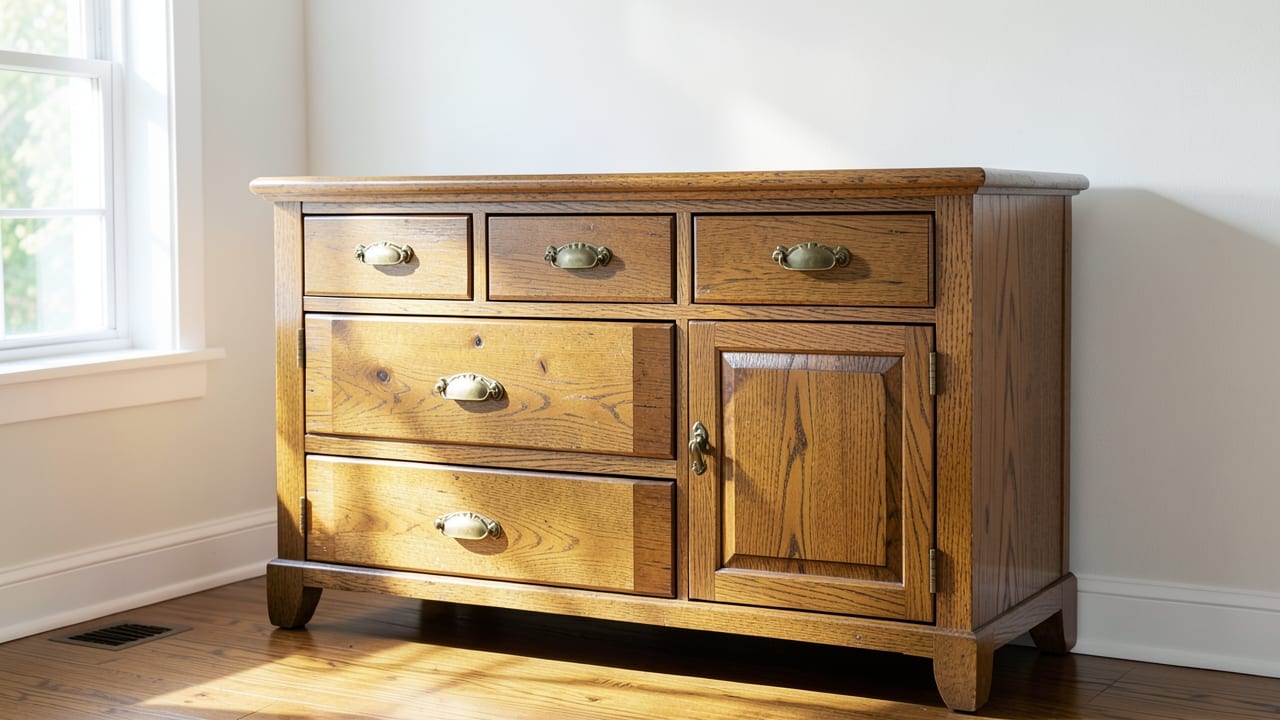
Wood Furniture Mold Remediation in Manitou Springs, CO
Professional removal and treatment of mold from wood furniture to restore safety and appearance.
Learn More
Tile & Grout Mold Cleanup in Manitou Springs, CO
Professional removal of mold from tile and grout surfaces in bathrooms, kitchens, and other tiled areas.
Learn More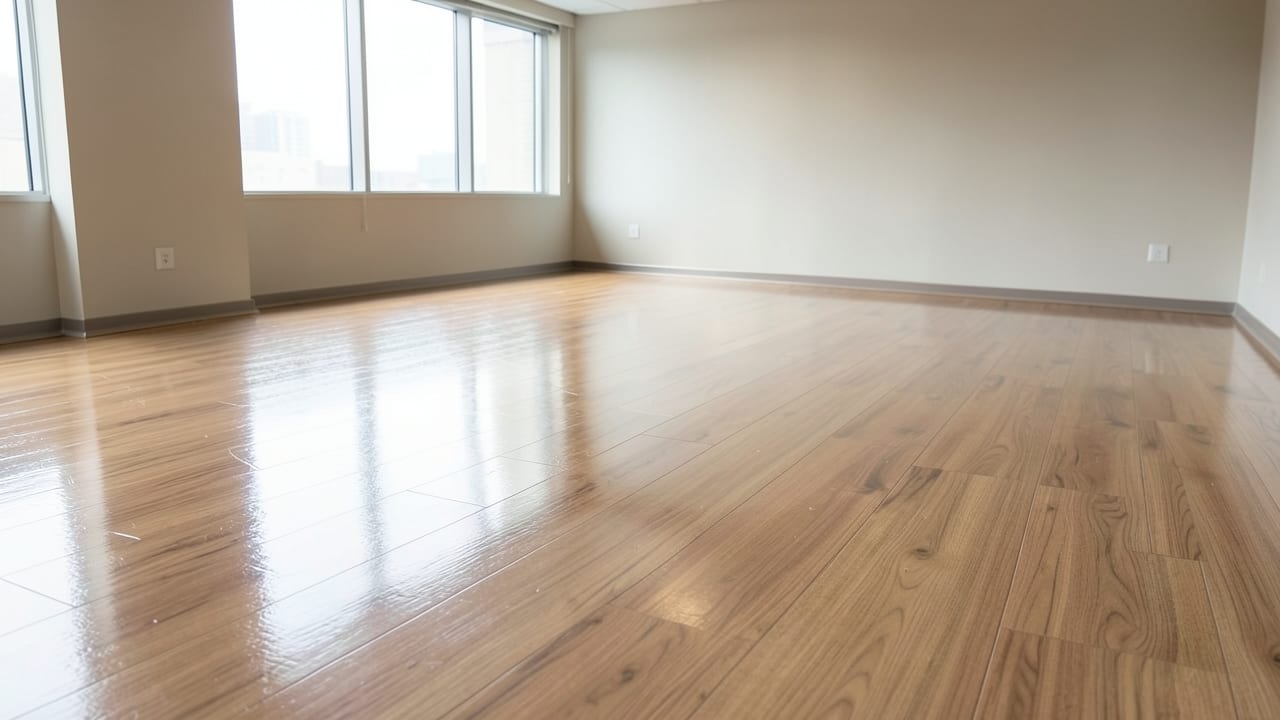
Vinyl Flooring Mold Treatment in Manitou Springs, CO
Professional mold treatment and removal for vinyl flooring in homes.
Learn More
Glass Window Mold Removal in Manitou Springs, CO
Professional removal of mold from glass windows and frames to restore clarity and prevent spread.
Learn More
Brick Masonry Mold Treatment in Manitou Springs, CO
Professional mold treatment and removal from brick masonry to restore structural integrity and indoor air quality.
Learn MoreCommon Questions About Mold Remediation in Manitou Springs
Everything you need to know about mold remediation services in Manitou Springs
How much does Pipe Leak Mold Removal typically cost in Manitou Springs, CO?
Can mold really be a problem in a dry climate like Manitou Springs, CO?
Is black mold actually more dangerous than other mold types?
How long does a typical mold remediation job take?
Is it safe to stay in the home during mold remediation?
Can small mold problems be handled without hiring anyone?
Need Mold Remediation in Manitou Springs?
Connect with local providers in Manitou Springs for a detailed quote.
⏰ We answer your call • Serving all of Manitou Springs and surrounding areas