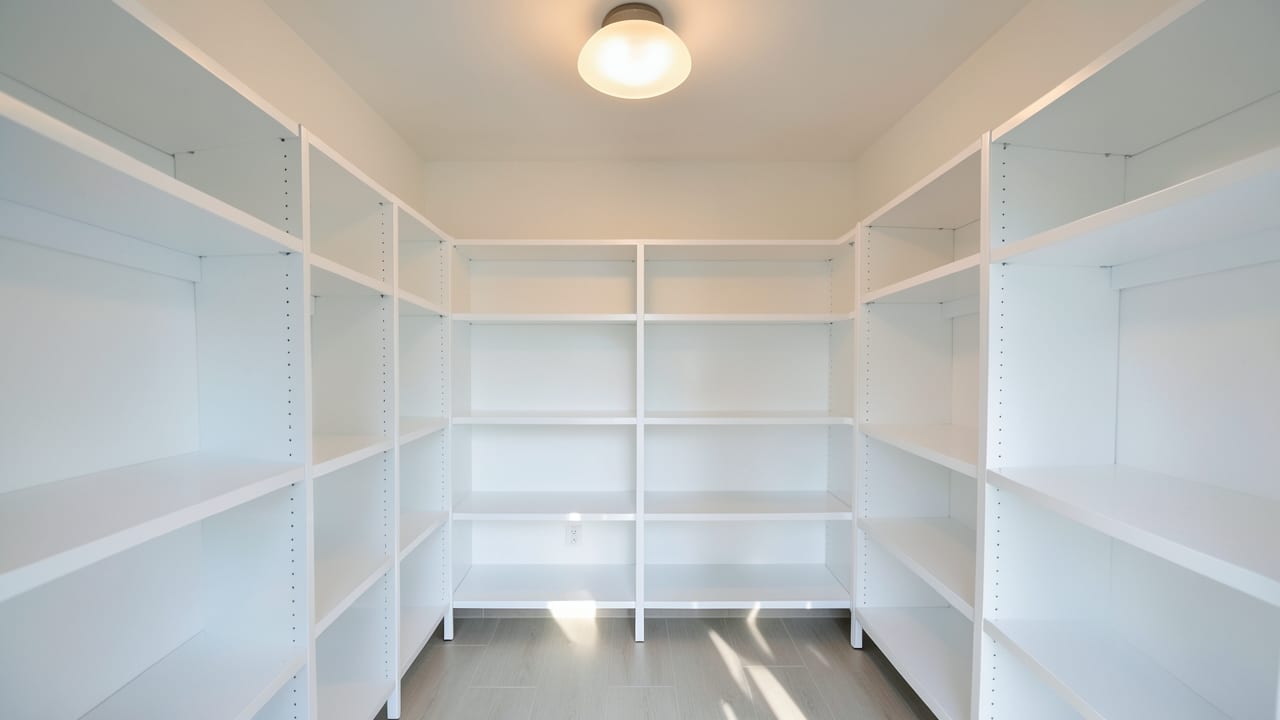
Closet Mold Cleanup
Professional cleanup and removal of mold from closets to restore safe, healthy spaces.
Closet mold cleanup in Manitou Springs addresses hidden growth in enclosed spaces where moisture lingers—walls, shelves, and stored items—using containment, specialized cleaning, and drying to prevent recurrence. Unlike surface-level wiping, professional remediation targets porous materials that absorb mold and uses HEPA filtration to capture spores, not spread them.
Colorado’s dry climate doesn’t eliminate the risk: poor airflow, leaks, or condensation in closets can still fuel mold. A thorough job includes fixing the moisture source, not just removing visible spores, to reduce the chance of regrowth.
We also handle Sunroom Mold Remediation and Pantry Mold Treatment for Manitou Springs properties.
When closet mold needs professional help
Not all mold in a closet requires a full remediation. Small patches—under 10 square feet—can often be cleaned with detergent, water, and a scrub brush, followed by thorough drying.
However, if the mold covers a larger area, keeps returning after cleaning, or you notice a musty smell with no visible growth, professional help is typically recommended. These signs often indicate hidden moisture issues or growth behind walls, which require containment and specialized equipment to address safely.
In Colorado, there’s no state-level licensing for mold remediation, so choosing a crew with proper containment protocols, HEPA filtration, and clearance testing is more important than a license number.
A musty smell that worsens when the HVAC runs or mold that reappears within months after cleaning are clear indicators the moisture source wasn’t fully addressed—and that a one-time cleanup won’t solve the problem long-term.
Signs Your Closet Mold Needs Professional Remediation
- Mold covers more than a small, isolated patch (typically over 10 square feet).
- The musty smell persists even after cleaning visible mold.
- Mold keeps returning to the same spot within weeks or months.
- You notice a musty odor when the HVAC system turns on (possible ductwork contamination).
- The closet feels persistently damp, even when the rest of the home doesn’t.
What affects pricing and timing for closet mold cleanup
The cost of closet mold cleanup in Manitou Springs varies based on the size of the affected area, the type of materials involved, and whether hidden moisture sources need to be addressed.
Surface-level mold on drywall or tile typically costs less than growth that requires cutting out porous materials like insulation or carpet padding. Black mold (Stachybotrys) often increases the price by 15–25% due to stricter containment and disposal requirements.
Timing depends on drying conditions—industrial dehumidifiers and air movers may run for days to bring moisture levels down before the space is sealed. Humidity in the room and outside weather can slow this process.
Clearance testing, done by an independent lab, adds time but ensures spores are no longer present before the area is considered finished.
What to watch for in a quote
A thorough quote for closet mold cleanup should include inspection, containment, remediation, and clearance testing—not just the visible cleanup. Containment (plastic sheeting and negative-air machines) and post-remediation testing are often priced separately, so a low upfront number may exclude these critical steps.
Always ask whether the quote covers fixing the moisture source (like a leak or poor ventilation) or just removing the mold, since regrowth is common when the cause isn’t addressed.
Red flags include a verbal estimate with no written scope, pressure to sign during the inspection, or a bid that’s dramatically lower than others for the same square footage. Without a third-party clearance test, there’s no way to confirm the job actually resolved the contamination.
Humidity in the closet after remediation should also be checked periodically to catch early recurrence.
| Red Flag | Why It’s a Concern |
|---|---|
| No written scope of work | Makes it impossible to compare bids or hold the crew accountable for what’s included. |
| Containment or clearance testing not mentioned | Without these, spores may spread during removal or regrow undetected. |
| Pressure to sign the contract during the inspection | A legitimate scope takes time to prepare—rushing skips your chance to compare options. |
| Bid significantly lower than others for the same size | May cut corners on equipment, labor, or testing, leading to incomplete results. |
How closet mold cleanup works
Professional remediation follows a structured process to contain spores, remove growth, and prevent recurrence.
- 1Containment Setup
Plastic sheeting and negative-air machines seal the closet off from the rest of the home. This keeps spores generated during removal from drifting into other areas via airflow or HVAC returns.
- 2Material Removal or Cleaning
Porous materials like drywall or insulation—where mold grows *into* the surface—are cut out and bagged. Non-porous surfaces (tile, metal framing) are scrubbed with antifungal solutions. HEPA vacuums and air scrubbers run continuously to capture airborne spores.
- 3Structural Drying
Industrial dehumidifiers and air movers lower moisture levels in framing and subflooring to prevent hidden regrowth. Drying may take days, depending on humidity and airflow in the closet.
- 4Clearance Testing
An independent lab tests air or surfaces for remaining spores. Only after clearance is confirmed is the containment removed, and the closet considered finished.
Frequently asked questions
Can I clean closet mold myself, or do I need a professional?
Small patches (under 10 square feet) can often be cleaned with detergent, water, and a scrub brush, followed by drying with a fan. However, if the mold covers a larger area, keeps returning, or you smell it but can’t see it, professional remediation is recommended. DIY methods may miss hidden growth or fail to address the moisture source causing the problem.
How long does the drying process take after mold removal?
Drying time depends on the closet’s size, humidity levels, and airflow. Industrial dehumidifiers and air movers typically run for 24–72 hours, but in high-humidity conditions or larger spaces, this can extend to several days. The goal is to bring moisture levels below 50% relative humidity before sealing the area.
Will my closet smell musty again after remediation if the moisture source isn’t fixed?
Yes. Removing mold without fixing leaks, condensation, or poor ventilation leaves the same materials exposed to moisture. A musty smell returning within months is a common sign the original cause wasn’t addressed—and the mold will likely regrow in the same spot.
Do I need clearance testing after mold removal, or is it just for big jobs?
Clearance testing is recommended for any job where containment was used, regardless of size. It confirms spores are no longer present before the area is reopened. Without testing, there’s no way to know if the remediation fully resolved the contamination.
Where Manitou Springs sits, and what the Census lists nearby
Manitou Springs sits in Colorado, and the closest places listed in the U.S. Census Gazetteer are Cascade-Chipita Park (7.7 miles northwest), Green Mountain Falls (7.8 miles northwest), Colorado Springs (8.2 miles east), Stratmoor (9.4 miles southeast).
Within 25 miles of Manitou Springs the same source lists 23 distinct incorporated places and census-designated places.
Those figures matter for closet mold cleanup because they are straight-line distances between Census coordinate points: road mileage between Manitou Springs and Cascade-Chipita Park runs longer than the 7.7 miles shown, which is why quotes for the same job differ between towns that look close together on a map.
Source: U.S. Census Bureau Gazetteer.
See Black Forest, CO for more, or discover our full Manitou Springs-area coverage by neighborhood for our complete lineup.
Ready to get started?
Talk to a local mold remediation pro in Manitou Springs — get a written quote.
Other Mold Remediation Services in Manitou Springs

Sunroom Mold Remediation in Manitou Springs, CO
Professional removal and treatment of mold in sunrooms to restore a safe, clean space.
Learn More
Pantry Mold Treatment in Manitou Springs, CO
Professional assessment and removal of mold in pantry areas to restore a safe, clean space.
Learn More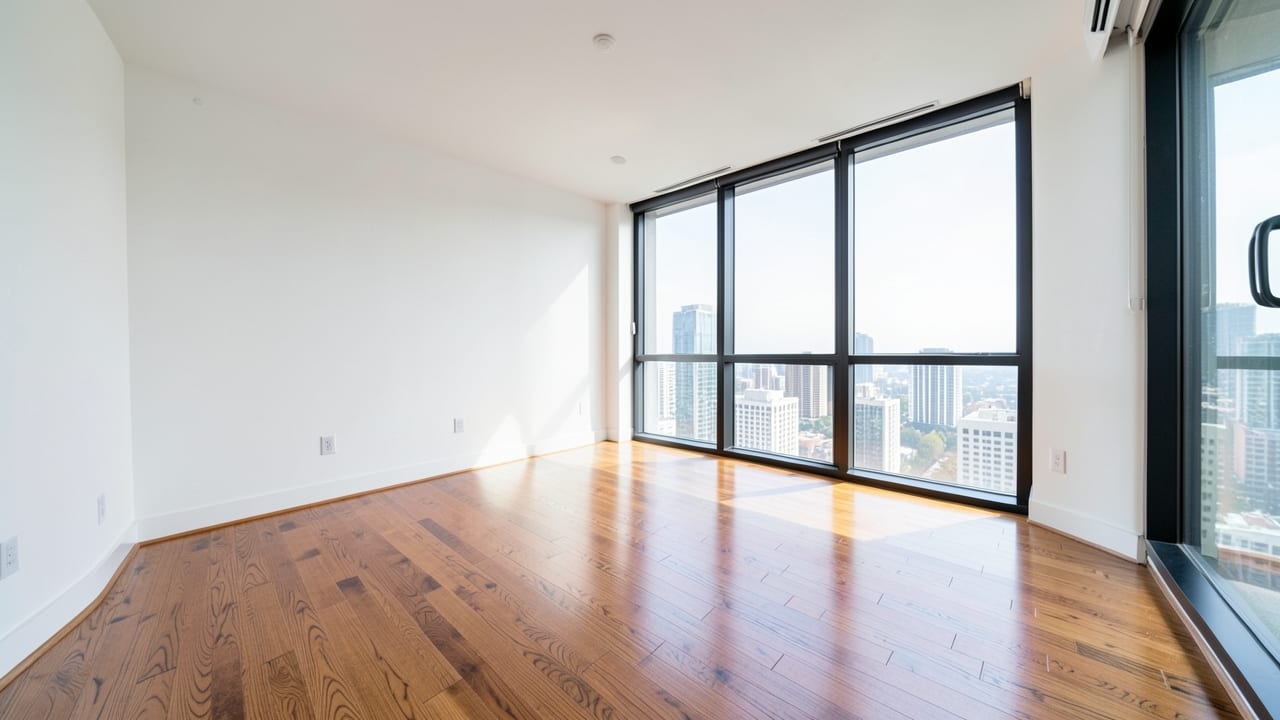
Condo Mold Remediation in Manitou Springs, CO
Professional removal and treatment of mold in condominiums to restore safe, healthy living spaces.
Learn More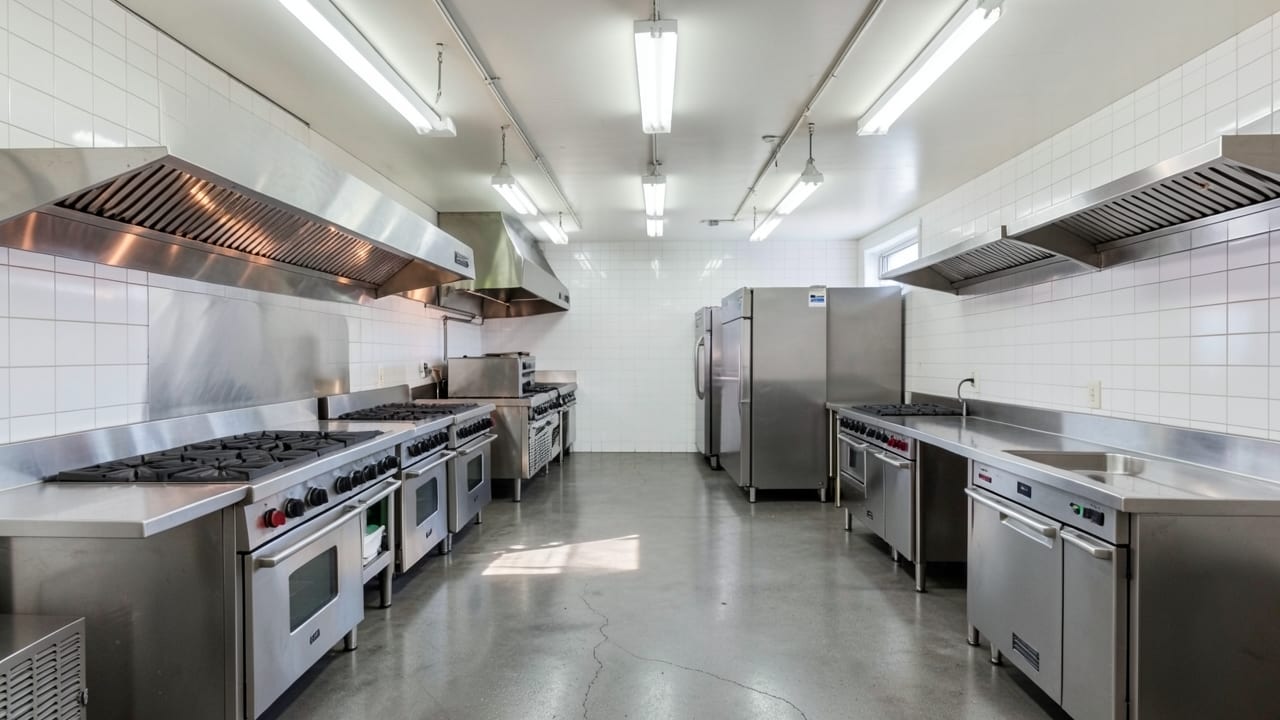
Restaurant Mold Remediation in Manitou Springs, CO
Professional mold removal and remediation for restaurant spaces to ensure safety and compliance.
Learn More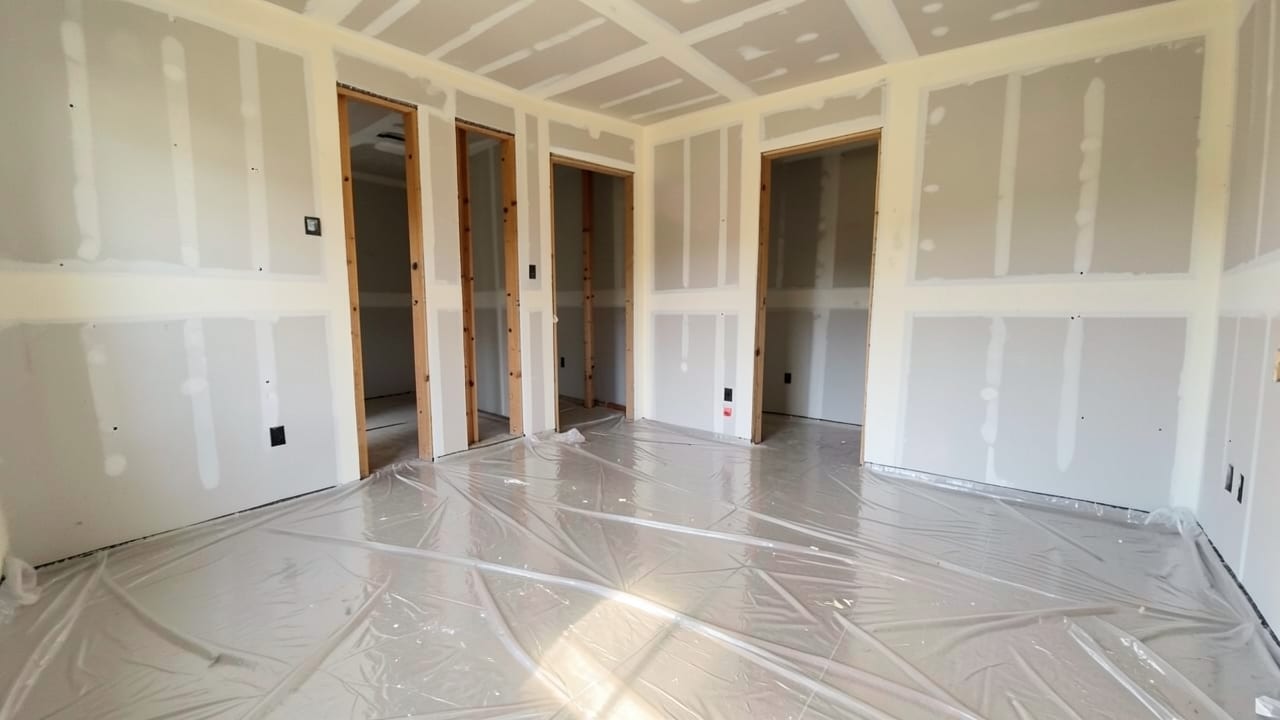
New Construction Mold Remediation in Manitou Springs, CO
Professional mold removal and prevention in newly built homes to ensure safe, clean living spaces.
Learn More
Hotel Mold Remediation in Manitou Springs, CO
Professional removal and treatment of mold growth in hotel properties to restore safe, clean environments.
Learn MoreCommon Questions About Mold Remediation in Manitou Springs
Everything you need to know about mold remediation services in Manitou Springs
How much does Closet Mold Cleanup typically cost in Manitou Springs, CO?
Can mold really be a problem in a dry climate like Manitou Springs, CO?
How does mold remediation actually prevent the problem from coming back?
Can mold growing inside HVAC ductwork spread to the rest of a home?
Does mold mean the same thing as mildew?
Does homeowners insurance typically cover mold remediation?
Need Mold Remediation in Manitou Springs?
Connect with local providers in Manitou Springs for a detailed quote.
⏰ We answer your call • Serving all of Manitou Springs and surrounding areas